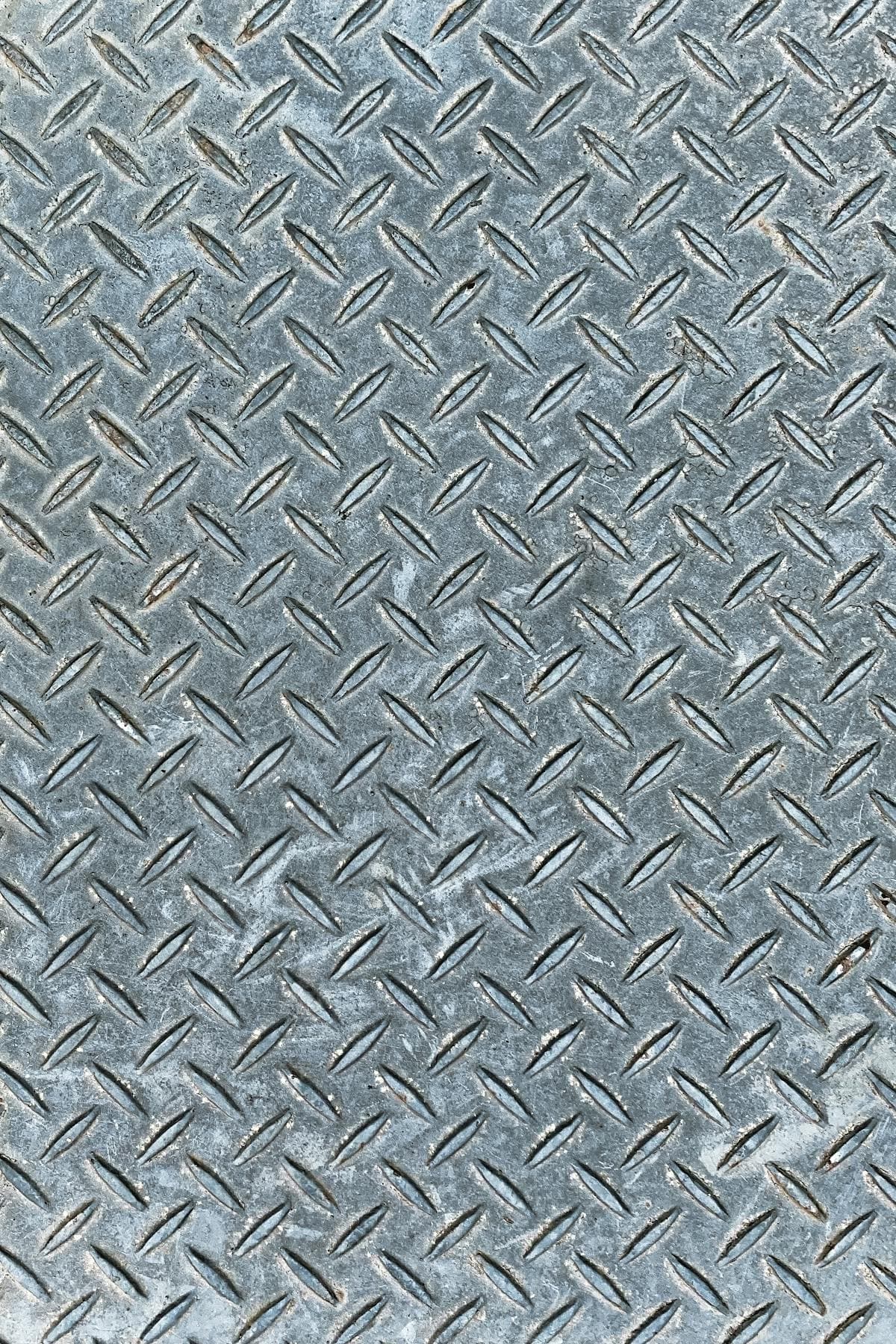
Aluminum Blanks
Aluminum blanks combine exceptional strength-to-weight ratio with natural corrosion resistance, making them indispensable for aerospace prototyping, CNC machining, marine hardware, and consumer product fabrication. Our aluminum blank inventory covers the most popular alloys in the industry, from the versatile 6061-T6 that machines beautifully and anodizes with consistent color, to marine-grade 5052-H32 that resists saltwater corrosion without sacrificing formability. For high-performance structural applications, 7075-T6 delivers tensile strengths rivaling many steels at one-third the weight. Every blank is precision-cut from certified domestic mill stock with full traceability. Whether you are prototyping a single bracket on a benchtop mill or running production batches on a CNC router, aluminum blanks offer the machinability, surface finish, and dimensional consistency your projects require.
Available Forms
Grade Reference
| Grade | Type | Common Use | Typical Form |
|---|---|---|---|
| 6061-T6 | General Purpose | CNC machining & aerospace | Sheet |
| 5052-H32 | Marine Grade | Marine & chemical | Sheet |
| 7075-T6 | Aerospace | High-strength applications | Bar |
| 3003-H14 | Forming Grade | Formed parts | Sheet |
| 2024-T3 | Aerospace | Aircraft structures | Sheet |
Detailed Specs by Grade & Form
Frequently Asked Questions
What is the difference between 6061 and 7075 aluminum blanks?
6061-T6 is the most versatile aluminum alloy, offering good strength at 45 ksi tensile, excellent machinability, weldability, and anodizing response. 7075-T6 is significantly stronger at 83 ksi tensile but cannot be reliably welded and is more expensive. Choose 6061 for general machining, fixtures, and fabricated assemblies where welding is required. Choose 7075 when maximum strength-to-weight ratio is critical, such as aerospace fittings, high-performance brackets, or competition components.
Can aluminum blanks be anodized?
Yes, but the alloy matters significantly. 6061 produces the most consistent and attractive anodized finish, making it the preferred choice for decorative and dyed anodizing. 5052 anodizes well with a slightly different appearance. 7075 can be anodized but tends to produce a yellowish tint. 2024 is the most difficult to anodize evenly and is generally not recommended for decorative finishes. For best results, specify 6061-T6 blanks when anodizing is part of your finishing plan.
Which aluminum grade is best for marine applications?
5052-H32 is the standard choice for marine environments due to its outstanding resistance to saltwater corrosion. Unlike 6061, which can suffer from intergranular corrosion when continuously exposed to seawater, 5052 maintains its integrity in harsh marine conditions. It also offers excellent formability for boat components, tanks, and marine hardware. For structural marine parts that need higher strength, 5083 is another option, though 5052 covers most marine fabrication needs at a lower cost.
What thicknesses are available for aluminum sheet blanks?
Aluminum sheet blanks are commonly available from 0.025 inches up through 0.250 inches, which is the standard boundary between sheet and plate. Plate thicknesses continue from 0.250 inches through 4 inches or more. For CNC machining, the most popular thicknesses are 0.250, 0.375, 0.500, and 0.750 inches in 6061-T6. Thinner gauges like 0.040 and 0.063 inches are popular for enclosures, panels, and formed parts.